Yttrium Shortage Sends Jet-Engine Suppliers Back to 1970s Coatings
Military & DefenseSep 21, 2026
United States | Canada
Yttrium shortages are sending aerospace coating suppliers back to a question that modern jet engines had largely answered decades ago: can older zirconia formulations protect selected components without a rare-earth additive? The answer matters because the alternatives are still being researched, not qualified as replacements for the coatings used in the hottest engine sections. 1
Canada’s National Research Council is evaluating zirconium dioxide and other non-rare-earth ceramic oxides with industry partners through its SURFTec programme, which works on advanced gas-turbine coatings and thermal-cycle testing. The work revisits materials associated with the 1970s and 1980s, applying newer processing and measurement techniques to a supply problem that has become commercially urgent. 12
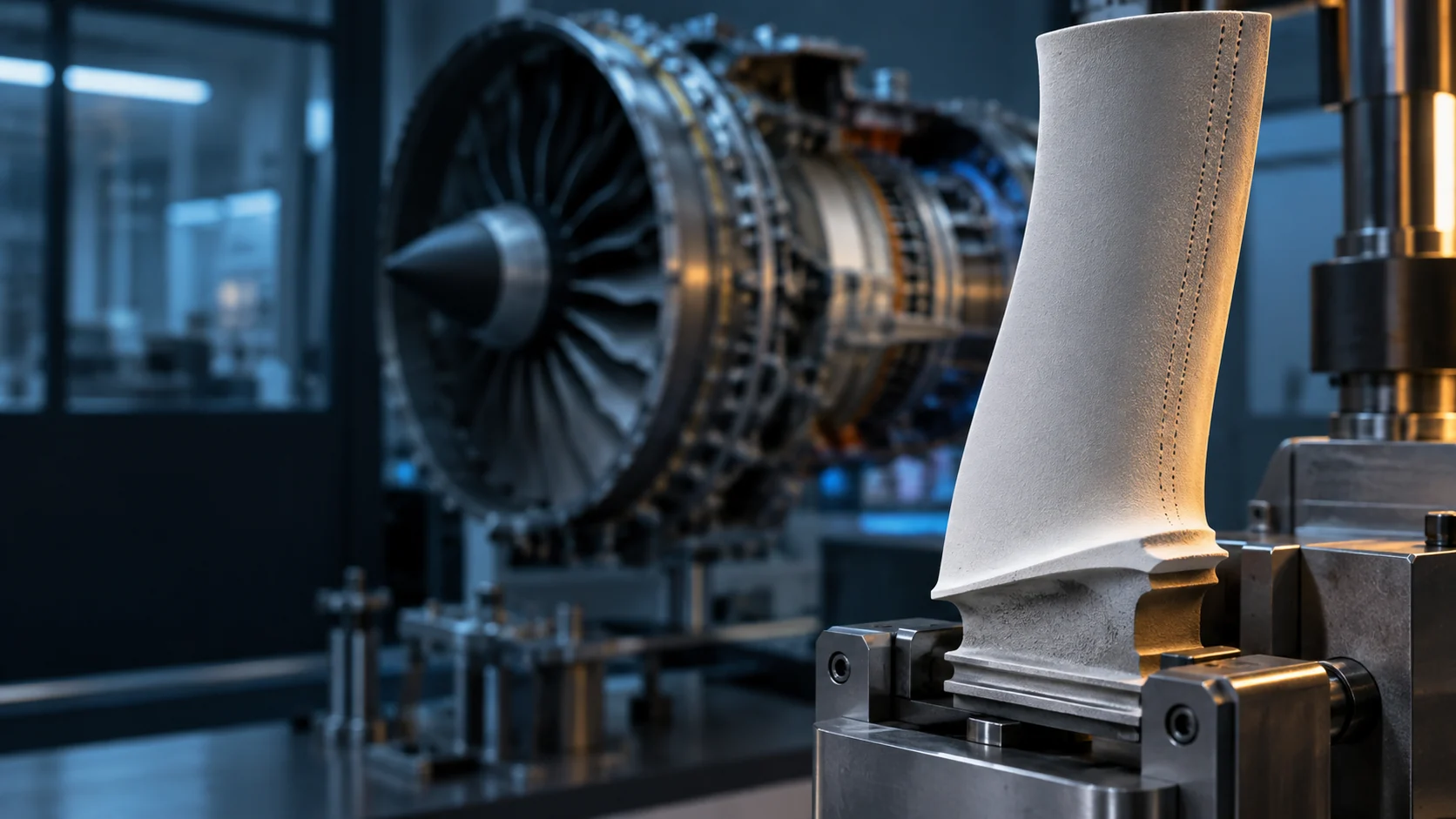
Today’s benchmark is yttria-stabilised zirconia, or YSZ. The ceramic topcoat sits above a metallic bond coat and slows heat flow into the underlying turbine hardware. Oerlikon Metco uses YSZ systems in aerospace combustors where metal components can face temperatures of up to 1,300°C; its technical material describes the coating as one part of a multilayer system whose performance also depends on spray parameters and component design. 34
That engineering stack explains why a shortage cannot be solved simply by switching powders. A coating that works on a less demanding component can still fail the thermal-cycle, durability and certification requirements of a hotter section. Engine makers and their approved maintenance networks must qualify a formulation for a specified component before it enters service. Oerlikon says its aerospace coating systems are approved and certified to key engine manufacturers. 3
The new research therefore opens a narrower route away from yttrium. Zirconia systems containing magnesium and calcium oxides already exist in the market, and suppliers are testing rare-earth-free formulations for less critical applications. Those materials could ease pressure at the margins if they meet the required service conditions. They do not yet establish a substitute for YSZ where maximum temperature capability and long service life are required. 134
For defence procurement, the issue is continuity of certified inputs rather than the discovery of a universal replacement. The US Department of Defense identifies yttrium as an input to high-temperature resistant ceramic coatings in jet engines. A useful alternative would have to clear the same materials and qualification hurdles before it could reduce exposure in military aviation. 6
The commercial incentive is clear. Supply disruption and higher prices have made coatings a more visible constraint in an engine supply chain already defined by long lead times. Recycling surplus coating material may provide incremental relief, while alternative formulations could broaden the list of approved options over time. Neither measure removes dependence on established yttrium-based systems in the near term. 1
The next test is comparative data: thermal-cycle life, resistance to heat and corrosion, and approval by an engine maker for a named component. Until then, the return to older ceramics is a serious materials programme with a specific procurement purpose, rather than a breakthrough that has displaced yttrium from jet engines. 123
Canada’s National Research Council is evaluating zirconium dioxide and other non-rare-earth ceramic oxides with industry partners through its SURFTec programme, which works on advanced gas-turbine coatings and thermal-cycle testing. The work revisits materials associated with the 1970s and 1980s, applying newer processing and measurement techniques to a supply problem that has become commercially urgent. 12
Today’s benchmark is yttria-stabilised zirconia, or YSZ. The ceramic topcoat sits above a metallic bond coat and slows heat flow into the underlying turbine hardware. Oerlikon Metco uses YSZ systems in aerospace combustors where metal components can face temperatures of up to 1,300°C; its technical material describes the coating as one part of a multilayer system whose performance also depends on spray parameters and component design. 34
That engineering stack explains why a shortage cannot be solved simply by switching powders. A coating that works on a less demanding component can still fail the thermal-cycle, durability and certification requirements of a hotter section. Engine makers and their approved maintenance networks must qualify a formulation for a specified component before it enters service. Oerlikon says its aerospace coating systems are approved and certified to key engine manufacturers. 3
The new research therefore opens a narrower route away from yttrium. Zirconia systems containing magnesium and calcium oxides already exist in the market, and suppliers are testing rare-earth-free formulations for less critical applications. Those materials could ease pressure at the margins if they meet the required service conditions. They do not yet establish a substitute for YSZ where maximum temperature capability and long service life are required. 134
For defence procurement, the issue is continuity of certified inputs rather than the discovery of a universal replacement. The US Department of Defense identifies yttrium as an input to high-temperature resistant ceramic coatings in jet engines. A useful alternative would have to clear the same materials and qualification hurdles before it could reduce exposure in military aviation. 6
The commercial incentive is clear. Supply disruption and higher prices have made coatings a more visible constraint in an engine supply chain already defined by long lead times. Recycling surplus coating material may provide incremental relief, while alternative formulations could broaden the list of approved options over time. Neither measure removes dependence on established yttrium-based systems in the near term. 1
The next test is comparative data: thermal-cycle life, resistance to heat and corrosion, and approval by an engine maker for a named component. Until then, the return to older ceramics is a serious materials programme with a specific procurement purpose, rather than a breakthrough that has displaced yttrium from jet engines. 123